
The Seed Library is open this fall from September 28-October 23 with a selection of native prairie seeds. Stop by the Service Desk with your library card to fill out a form and choose up to five seed packets. Prairie Seeds are available to all patrons, while supplies last. See list below for the types of seeds that will be available. Catalog links on the Latin names are for reference only.
- 500 Black-eyed Susan Rudbeckia hirta
- 501 Blazingstar Liatris pycnostachya
- 502 Butterflyweed Asclepias tuberosa
- 503 Coneflower, Purple Rudbeckia purpurea
- 504 Little Bluestem Schizachyrium scoparium
- 505 Milkweed, Red Asclepias incarnata
- 506 Sunflower, Ox-Eye Heliopsis helianthoides
- 507 Purple Prairie Clover Dalea purpurea
- 509 Wild Bergamot (Bee Balm) Monarda fistulosa
- 513 Golden Alexanders Zizia aurea
- 515 Pale Purple Coneflower Echinacea pallida
- 516 Rattlesnake Master Eryngium yuccifolium
- 517 Stiff Goldenrod Solidago rigida
- 519 Woodland Sunflower Helianthus divaricatus
- 520 Yellow Coneflower Ratibida pinnata
- 521 Columbine Aquilegia canadensis
- 522 Clustered Mountain Mint Pycnanthemum muticum
- 523 Clustered Poppy Mallow Callirhoe triangulata
Sign up for our special Growers e-newsletter, which will give you tips and seasonal best practices throughout the important stages of the growing season: planting, harvesting, and seed saving.
Fall Native Seed Library FAQS
Q: What is the purpose of the Seed Library?
A: A seed library helps to promote biodiversity and sustainability. It also allows first-time gardeners access to free seeds and allows long-time gardeners to experiment with new varieties.
Q: Who can take seeds from the seed library?
A: Anyone.
Q: How many seed packets can I take?
A: We have varying quantities of seeds for each variety. Each person is allowed up to 5 unique packets of seed (no duplicates), while supplies last.
Q: When should I plant my prairie seeds?
A: Make sure to read each seed packet for planting information. If you’d like more information about when to plant a particular seed, Prairie Moon Nursery provides germination codes broken down by seed type. We’ll have a limited number of their catalogs where you can find the codes, available at the Library while supplies last, or you can look up the name of the plant on their website. You can also access a PDF copy of Prairie Moon’s 2026 cultural guide containing germination codes. When you see code C or G, that means that the seeds need exposure to cold. Plants with code C should be planted in the fall to germinate over the winter and emerge in spring, and code G can be planted anytime after the first hard frost.
Q: Do I have to return/donate seeds to be able to take seeds?
A: We encourage and appreciate patrons taking the time to harvest and donate seeds! It’s not required, but if it’s something you’d like to try, we have books available that will walk you through harvesting and saving seeds from some of the easier annual plants. If you would like to make a donation, please fill out one of our donation forms (PDF) to submit with your seeds.
Q: Where can I find more information about the type of plant I am growing?
A: There are links to outside websites associated with each seed type. You can find growing information on those sites. If you need help deciding which plants will grow best with your site and conditions, try using Illinois Extension’s Pollinator Plant Selection Tool. We highly recommend contacting the Illinois Master Gardener Help Desk if you have more specific questions.
Gardening resources
- Curated selection of gardening books at CAPL
- Our Basic Guide to Growing handout
- Illinois Master Gardener Help Desk
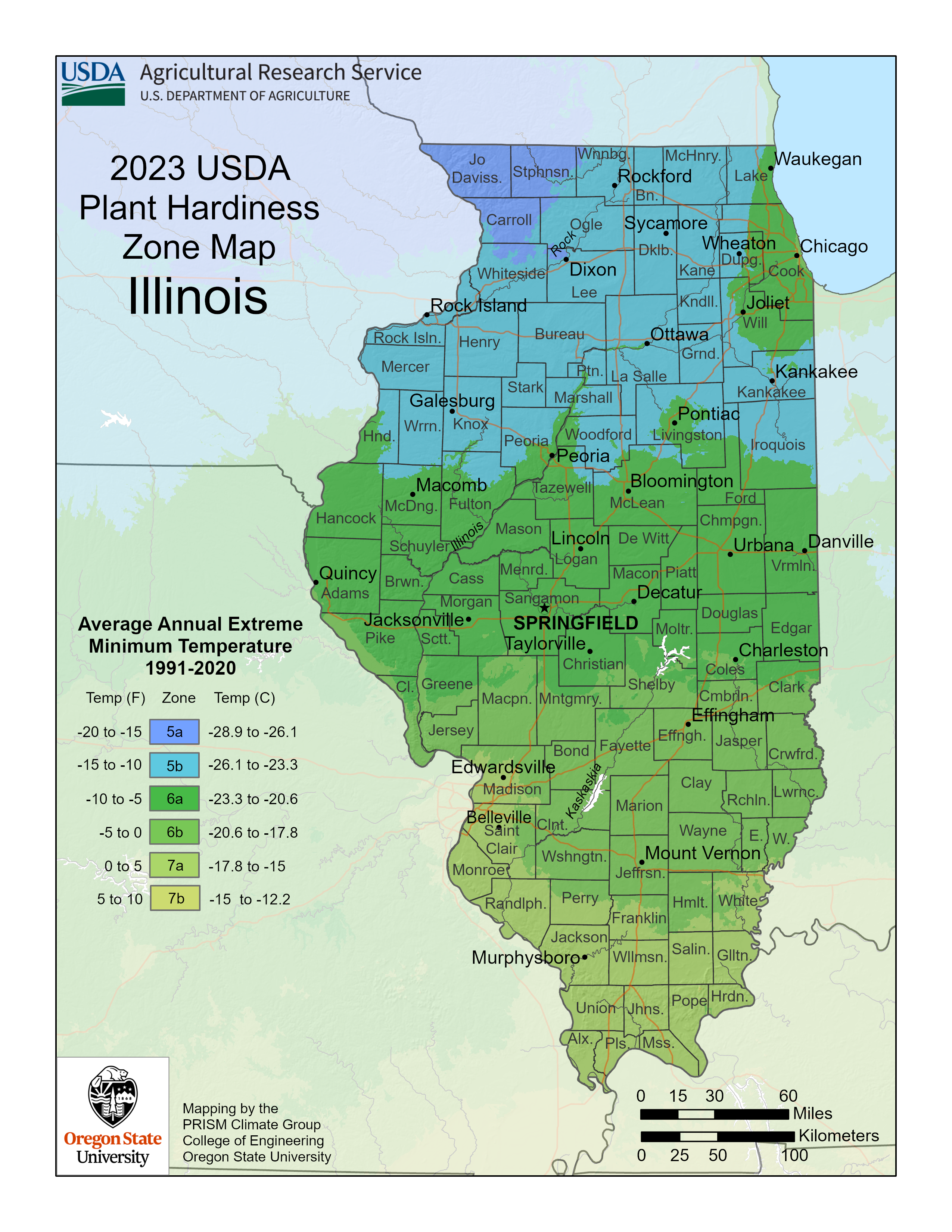
- U of I Extension zone hardiness map for IL (png)
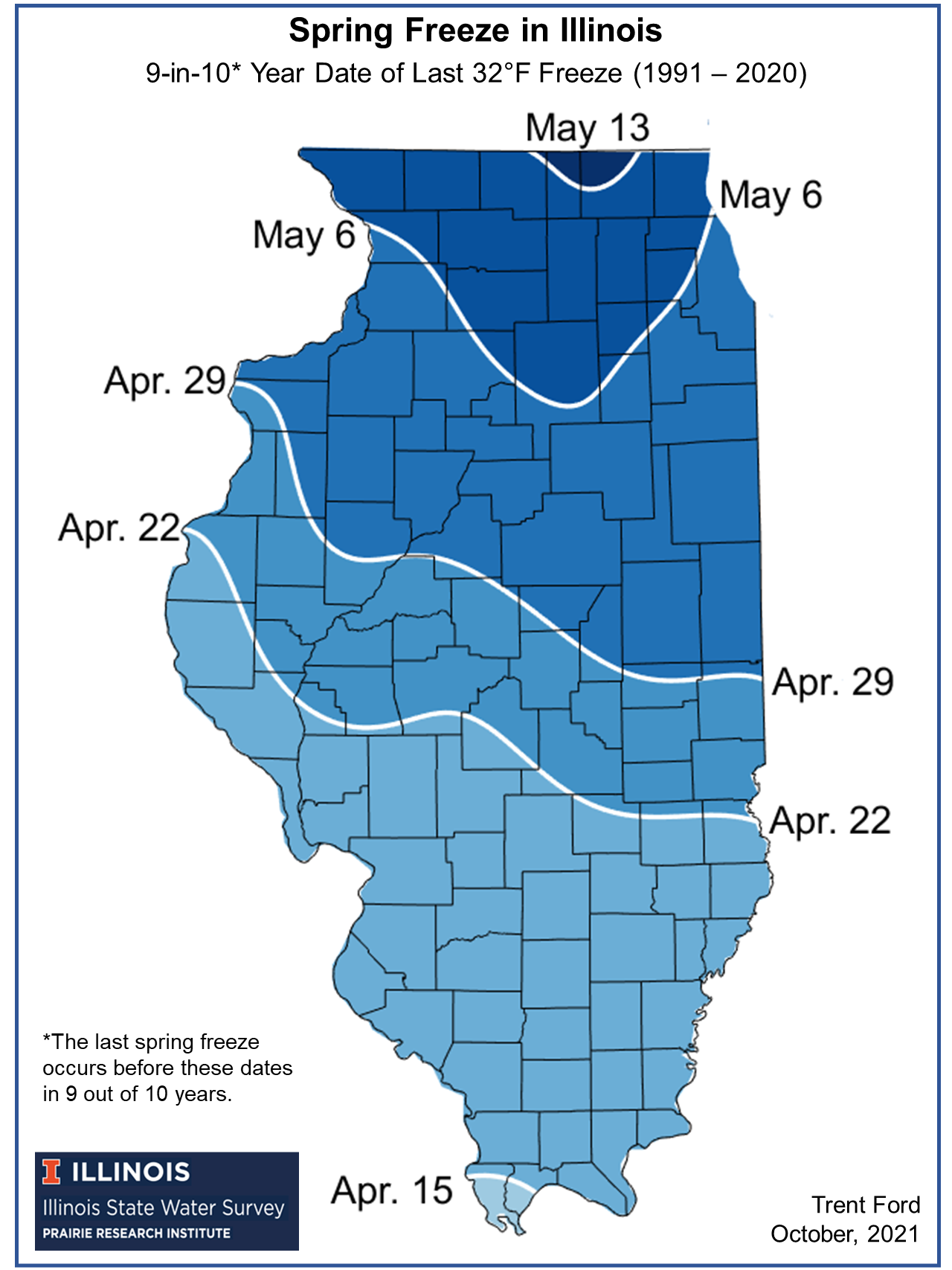
- Last average frost day from IL State Water Survey (png)
- Seeds Savers Resources
- Burpee Gardening Advice
Seed saving tips
- Select seeds from your best plants
- Only save seeds from open-pollinated varieties
- Clean, dry seeds (remove any chaff) before storing
- Place seeds in an envelope and label with the variety and date
- Store seeds in a cool, dry, and dark place
- Read Saving Seeds: 7 Reasons Why and Dozens of Tips for How
- Seed saving books in our collection